
The Nature of Luck in Gambling
Luck is often viewed as a mysterious and uncontrollable force that impacts outcomes in gambling environments, particularly in casinos. In games of chance, such as slot machines, pokies online australia , roulette, and card games, the element of luck is paramount. While skill and strategy can certainly influence results, it is ultimately random outcomes that define success or failure. This unpredictability is what attracts many players, offering both excitement and the possibility of significant winnings. Understanding the nature of luck can help players adopt a more informed approach to gambling.
Additionally, the psychological aspect of luck can deeply affect players’ experiences in a casino. Many gamblers often attribute wins to their skills or strategies, but when losses occur, they may blame bad luck. This duality highlights a common cognitive bias known as the “illusion of control,” which can lead players to develop superstitions or rituals to influence their fortunes. The belief in luck can also create a cycle of hope and despair that keeps players returning to the casino, seeking a change in their fortunes.
Moreover, the role of luck is not confined to the games themselves; it extends to broader casino dynamics, including promotions and jackpot payouts. Casinos often leverage the allure of lucky wins through marketing strategies and bonus offers. Understanding how luck interacts with these elements can empower players to navigate their gambling experiences more effectively, allowing them to distinguish between informed decisions and mere chance.
The Odds and Their Impact on Casino Games
Each casino game is designed with a specific set of odds, which ultimately underscores the role of chance in determining outcomes. Games like blackjack may offer better odds for players compared to others, such as slots, where the house edge is typically higher. Understanding these odds is crucial for players who wish to manage their bankroll and make informed strategic choices. Even in games that favor skill, like poker, luck can play an equally significant role, as the distribution of cards is purely random.
The odds are not just numbers; they represent the probability of winning versus losing, and they directly correlate with the concept of luck. For instance, in a game of roulette, the player might feel that their chosen number will land due to previous patterns, but in reality, each spin is independent, and luck is the only factor at play. Hence, successful players often recognize that they can’t control the outcomes, but they can control how they respond to those outcomes based on their understanding of the odds.
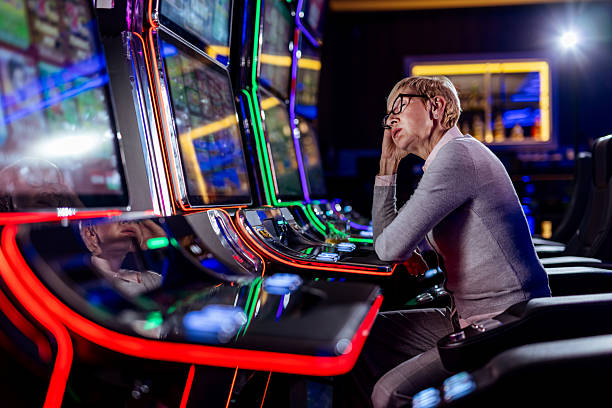
This brings forth the idea that while luck is a fundamental factor, successful gambling requires a balanced approach between understanding odds and managing one’s emotions. Players who accept the randomness of results can enjoy the experience without falling prey to emotional decisions that can lead to financial losses. Ultimately, a deep comprehension of the odds at play can help mitigate the whims of luck, enabling players to make more rational choices in the face of chance.
The Psychology of Winning and Losing
The emotional rollercoaster of winning and losing at a casino can significantly shape a player’s gambling experience. Winning often elicits feelings of euphoria, confidence, and optimism, prompting players to take bigger risks or spend more time gambling. Conversely, experiencing losses can lead to frustration, desperation, and a skewed perception of luck. This psychological impact can influence future gambling behavior, creating patterns that may not necessarily align with rational decision-making.
Understanding the psychology behind these emotional responses can empower players to develop a healthier relationship with gambling. For instance, recognizing the fleeting nature of wins and how losses can distort one’s perception of luck can help players maintain a sense of balance. Additionally, casinos often harness this psychological aspect by providing an environment that enhances emotional highs and lows through music, lighting, and the allure of jackpots, perpetuating the cycle of gambling.
Moreover, this psychological interplay can lead to what is known as the “gambler’s fallacy,” where individuals believe that past outcomes affect future results. Players may feel that after a series of losses, luck must inevitably change in their favor, prompting them to continue betting. This misbelief can result in an increase in gambling activity, tied directly to emotional responses rather than logical reasoning. Being aware of these psychological tendencies is essential for maintaining control over one’s gambling habits.
The Role of Skill in a Game of Chance
While luck is often perceived as the primary determiner of success in casino games, skill also plays a critical role, albeit more significantly in certain games than others. In poker, for example, skilled players can exploit their understanding of strategies, psychology, and probability to outmaneuver less experienced opponents. This creates an interesting dynamic where luck may influence the cards dealt, but skill ultimately determines the outcome of a hand. Players who rely solely on luck may find themselves at a disadvantage in such games.

However, skill can only mitigate the role of luck to a certain extent. Even the best players can encounter unlucky streaks, reinforcing the idea that randomness is a core element of gambling. Understanding how skill complements luck can help players develop strategies to increase their odds, such as practicing specific games, learning the rules thoroughly, and studying opponents’ behaviors. This blend of skill and chance creates an engaging experience that keeps players returning to casinos.
Ultimately, the relationship between skill and luck is complex and varies across different games. In many traditional casino games, while players can adopt strategies to enhance their chances of winning, the unpredictability of luck will always be a significant component. Gamblers who embrace this blend of elements can hone their skills while also acknowledging and accepting the randomness that is inherent in the game.
The Importance of Responsible Gambling
As players engage with the element of luck in casinos, it becomes increasingly crucial to approach gambling responsibly. The excitement of potential wins can sometimes overshadow the reality of losses, leading individuals to make poor financial decisions. Setting limits and understanding when to walk away can greatly enhance the gambling experience while protecting one’s financial health. Players must recognize the importance of budgeting and treating gambling as a form of entertainment rather than a guaranteed source of income.
Moreover, the gaming environment is designed to be alluring and immersive, which can make it challenging for players to maintain discipline. Many casinos employ various marketing strategies that capitalize on the thrill of winning and the illusion of control, often influencing players to chase losses. Responsible gambling practices, including setting time limits and adhering to a gambling budget, can help mitigate these risks, allowing players to enjoy their experience without falling into problematic patterns.
In conclusion, while luck is undoubtedly a significant factor in casino success, the interplay of chance with personal responsibility, skill, and emotional intelligence outlines a comprehensive approach to gambling. By understanding the dynamics at play, players can create a balanced perspective on luck, enabling them to enjoy the thrill of gambling while prioritizing their well-being. The role of chance should be seen as a facet of the gambling experience rather than the sole defining element.