
The Illusion of Control
Novice gamblers frequently enter casinos with an unrealistic belief that they can control their outcomes. This misconception often arises from a lack of knowledge regarding how games operate, particularly the mechanics behind random number generators in slot machines and the statistical probabilities in table games like blackjack and roulette. Many inexperienced players mistakenly think that their choices significantly impact the results, prompting them to place risky bets without fully understanding the inherent house edge; even those who seek the best casino online options can fall prey to these misconceptions. This overconfidence usually leads to substantial losses, as they fail to recognize that, over time, the odds are not in their favor.
The vibrant atmosphere of a casino can intensify this illusion of control. With flashing lights, the sounds of coins clinking, and the sight of seasoned players winning, novices can become swept up in the excitement. In this environment, they may forget that gambling is primarily based on chance rather than skill. Relying on gut feelings or misconceptions about luck can lead them to chase after losses, exacerbating their financial woes. The thrill of the moment often overshadows the reality of the risks involved.
This false sense of control can also drive novices to adopt ineffective gambling strategies. Many players may try systems like the Martingale system, which encourages doubling bets after a loss in the belief that they will eventually recoup their losses. While this may work in short bursts, the reality is that significant high-stakes losses can quickly drain a player’s bankroll. This understanding is crucial, as novices often find themselves in dire financial situations due to their reliance on these flawed strategies.
Lack of Proper Bankroll Management
Effective bankroll management is a cornerstone of successful gambling, yet many novice players neglect this critical aspect. A significant number of inexperienced gamblers tend to gamble with funds they cannot afford to lose, resulting in impulsive betting behaviors. Without a clear budget and the discipline to follow it, they become susceptible to overspending, especially in the heat of excitement. This lack of financial discipline can lead to considerable losses, as they prioritize thrill over a structured plan for their gambling activities.
To create a more sustainable gambling approach, beginners should establish a clear bankroll before they begin playing. This involves determining how much money they are willing to spend and viewing it as entertainment rather than an investment opportunity. By setting specific limits on both winnings and losses, players can avoid falling into the trap of chasing losses and risking essential funds for everyday expenses. Those who gamble without these boundaries may find themselves wagering money meant for rent or groceries, leading to significant repercussions beyond the casino.

Additionally, novices can benefit from segmenting their bankroll into smaller portions for different gaming sessions or types of games. This strategy not only prolongs their gaming experience but also reduces the risks associated with gambling. By doing so, players can enjoy the excitement without the pressure of financial strain, thereby fostering a healthier relationship with gambling and minimizing potential losses.
Emotional Decision-Making
The emotional highs and lows of gambling can significantly affect novice players, often leading them to make poor decisions based on feelings rather than logic. When experiencing a winning streak, excitement can lead to overconfidence, causing them to increase their bets or try riskier games. Conversely, frustration from a losing streak may drive them to make impulsive choices in an attempt to recover their losses. This cycle of emotional decision-making can create a dangerous pattern, where rational thought is overshadowed by fleeting feelings of joy or despair.
Moreover, emotions can cloud judgment during critical moments, such as when deciding to walk away from the table or continue playing. Many novice gamblers struggle to separate their emotions from their gambling experiences, leading to choices that may compound their losses. Instead of assessing their performance based on logical criteria and statistical analysis, they often allow hope or fear to dictate their actions, which usually results in negative consequences.
To counteract these emotional influences, novice gamblers should implement strategies that promote rational thinking. Establishing clear limits on both time and money spent gambling allows for regular breaks that can help reset emotions and provide clarity. Additionally, engaging with supportive friends or seeking the advice of seasoned gamblers can offer valuable perspectives, helping novices maintain balance during their gaming experiences and make more informed decisions.
Misunderstanding Game Mechanics
A fundamental reason novice gamblers often lose is their misunderstanding of game mechanics. Each casino game has its own unique set of rules and strategies, which can greatly influence the outcome. Beginners often approach games without a comprehensive understanding of their intricacies, leading to suboptimal decisions. For instance, in blackjack, players may not recognize the importance of adhering to basic strategy, such as knowing when to stand or hit, which can significantly affect their chances of winning.
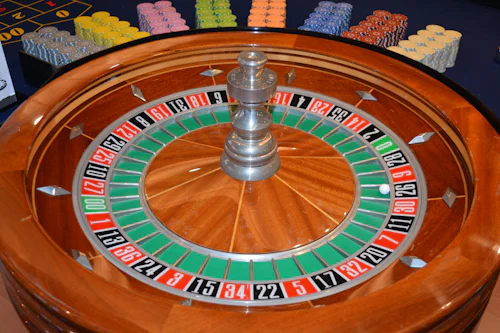
This lack of knowledge extends beyond card games to slot machines and other electronic games. Many novice players are unaware of return-to-player (RTP) percentages and how these figures impact their potential winnings over time. Without this essential knowledge, they may inadvertently choose games with low RTPs, which drastically reduces their odds of success. Gaining a thorough understanding of game mechanics is a critical step that new gamblers must take to enhance their chances of achieving a favorable outcome.
Furthermore, novices often fail to appreciate the significance of bankroll management in relation to different games. The risk levels can vary widely across machines and tables, which influences how much they should wager. Recognizing these distinctions is vital, as players who dive into games without this awareness are more likely to experience frequent losses. Educating themselves about game mechanics and effective wagering strategies can empower novice gamblers to make better choices and improve their overall gaming experience.
Resources for Novice Gamblers
For those looking to enhance their understanding of gambling and reduce the likelihood of losing, a wealth of resources is available. Educational websites and online forums dedicated to gambling can provide invaluable information on strategies, game mechanics, and responsible gambling practices. Many of these platforms offer tutorials or guides designed to help beginners grasp the fundamentals of various casino games before they even step into a physical casino.
Additionally, many casinos organize events and workshops aimed specifically at novice players. These sessions can teach attendees the nuances of specific games while also highlighting the importance of responsible gambling. By participating in such educational opportunities, novices can equip themselves with the knowledge necessary to improve their understanding and approach to gambling, ultimately enhancing their gaming experience.
In conclusion, while novice gamblers may initially face challenges in achieving success at casinos, numerous resources can assist them in cultivating better habits and a more profound understanding of the games. By actively seeking out educational tools and engaging in workshops, they can significantly boost their chances of enjoying a more rewarding and profitable gambling experience in the long run. Embracing these resources can lead to a more informed and responsible gambling journey.